DIVISIONS
UBC Supermileage has 11 different divisions.
Find out more about the work done by each division below!
AERODYNAMICS
At the mercy of the air.
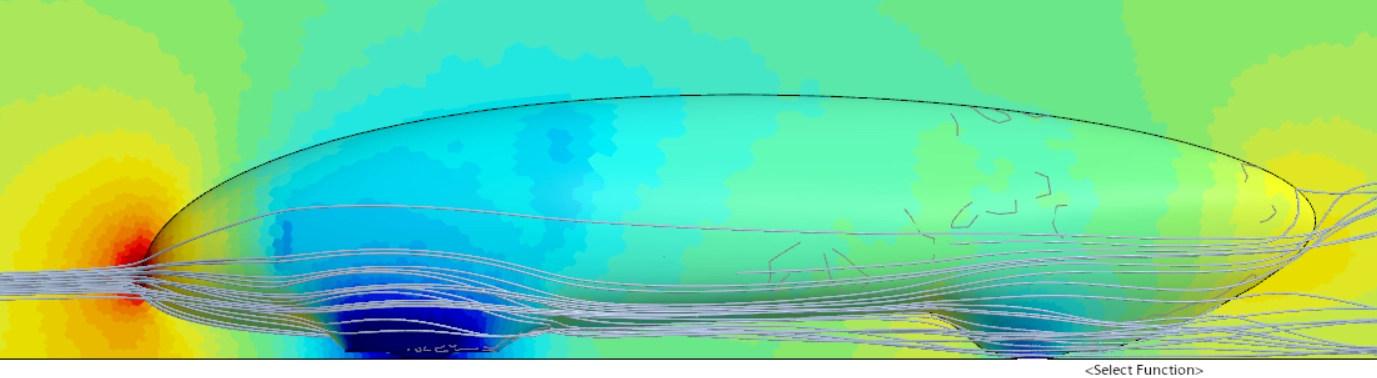
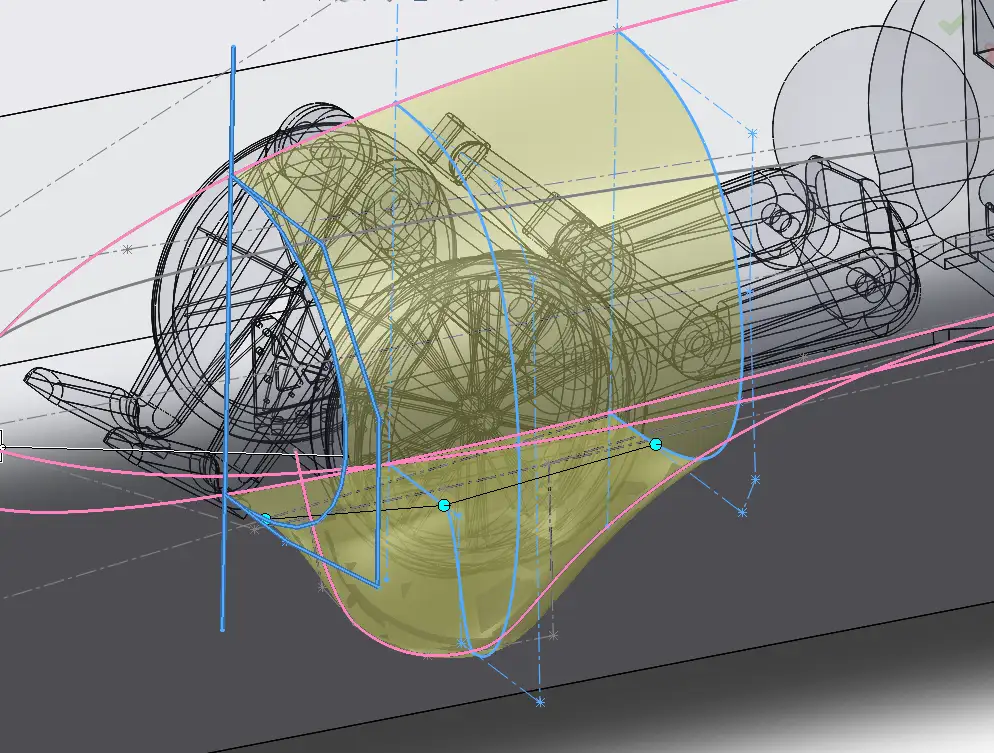
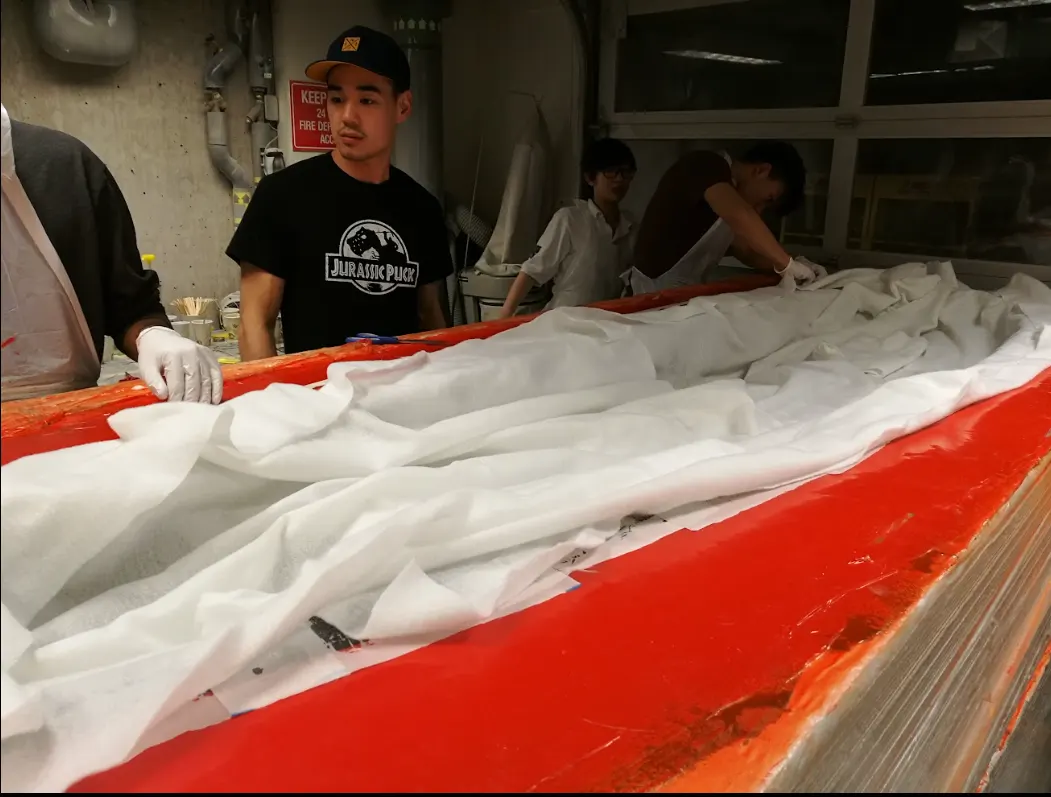
The Aerodynamics division makes Supermileage vehicles efficient by optimizing aeroshells for drag, packaging, and safety through iterative CAD, CFD simulation, and composite manufacturing. Collaborating with the entire team, we manage the full aeroshell development process from concept generation to carbon fiber layups. Aerodynamics is the division to join if you’re interested in fluid simulation, complex 3D surface modeling, or working with composite materials.
This is an exciting year: aerodynamics will be manufacturing a new aeroshell for our FCP vehicle, characterizing new composites, and beginning a new design cycle for our Urban vehicle!
DRIVETRAINS
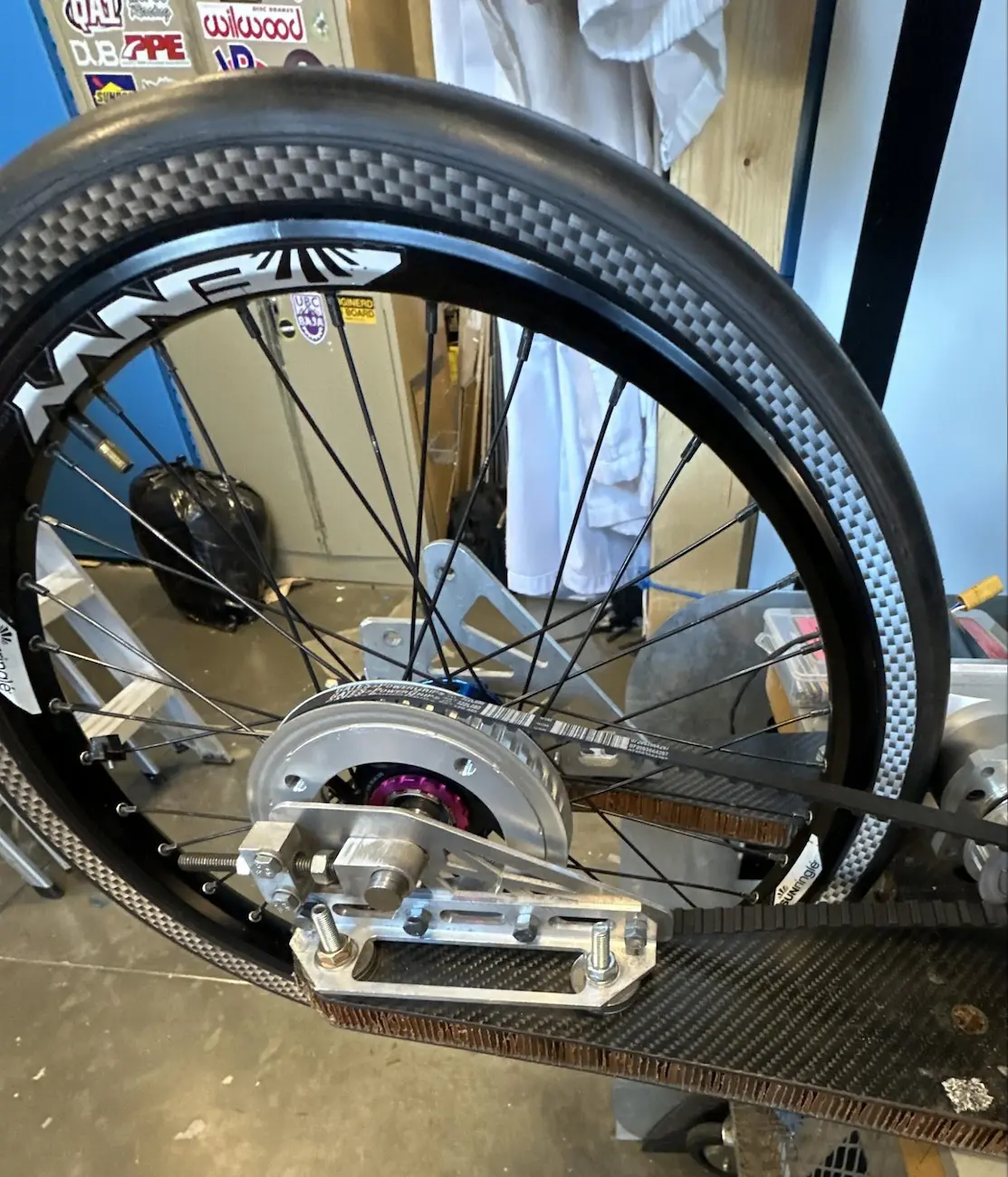
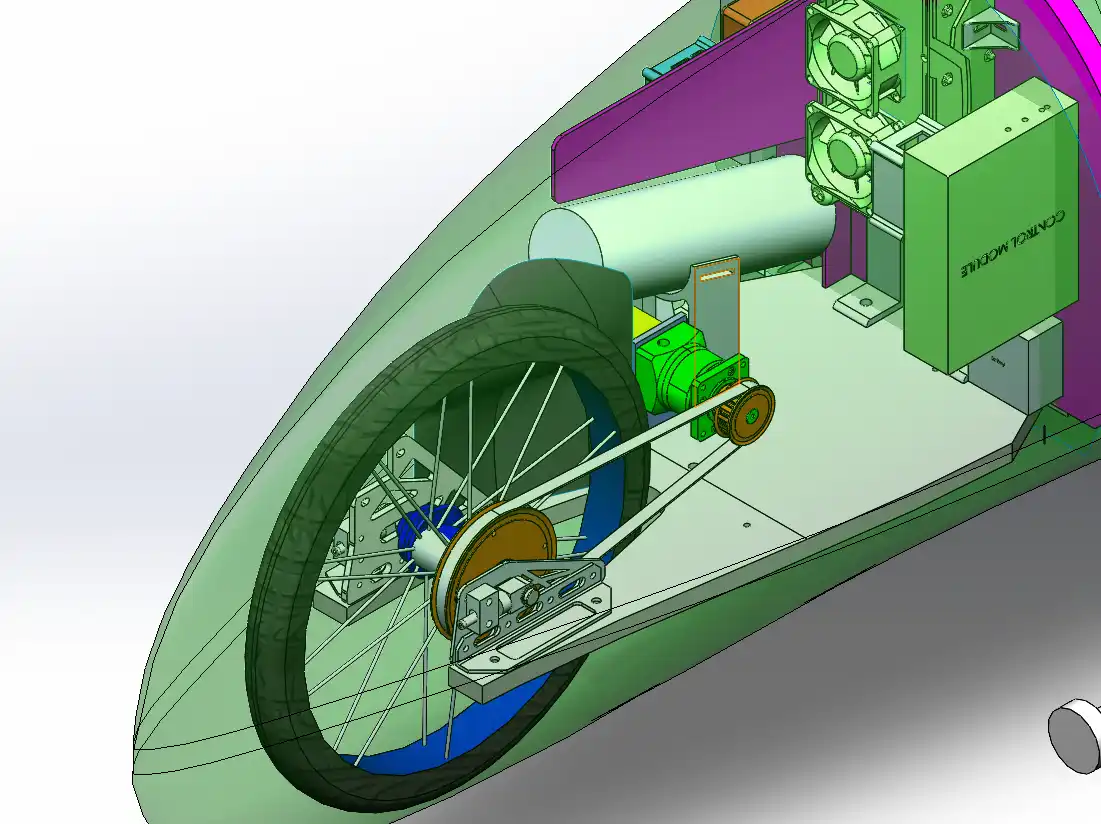
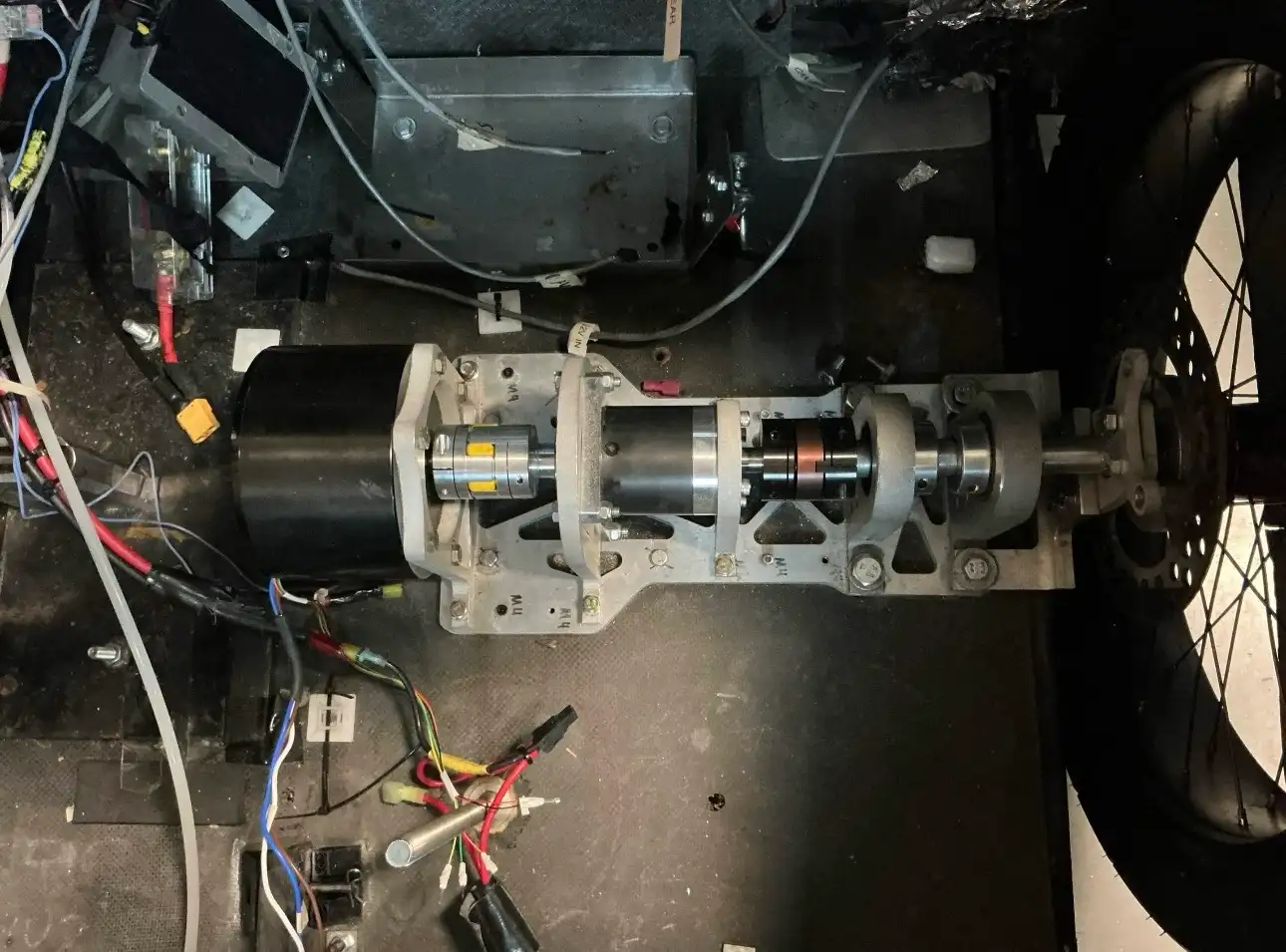
The drivetrain division is responsible for designing and implementing the systems that transfer power from the propulsion device to the driven wheels of our vehicles.
This year, our primary project is a complete ground-up redesign of the drivetrain for our electric Urban Concept vehicle. Members will work through every stage of the engineering process, from initial conceptualization such as CAD models to manufacturing, assembly, and finally seeing their hard work put to the test on the track at the Shell Eco-marathon competition in the Indianapolis Motor Speedway.
Our other main project focuses on our Hydrogen Fuel Cell prototype vehicle, where we will implement a newly designed drivetrain on a brand new chassis. Across all projects, members will gain hands-on experience solving complex mechanical challenges, and ultimately see their designs come to life on our vehicles.
ENGINE
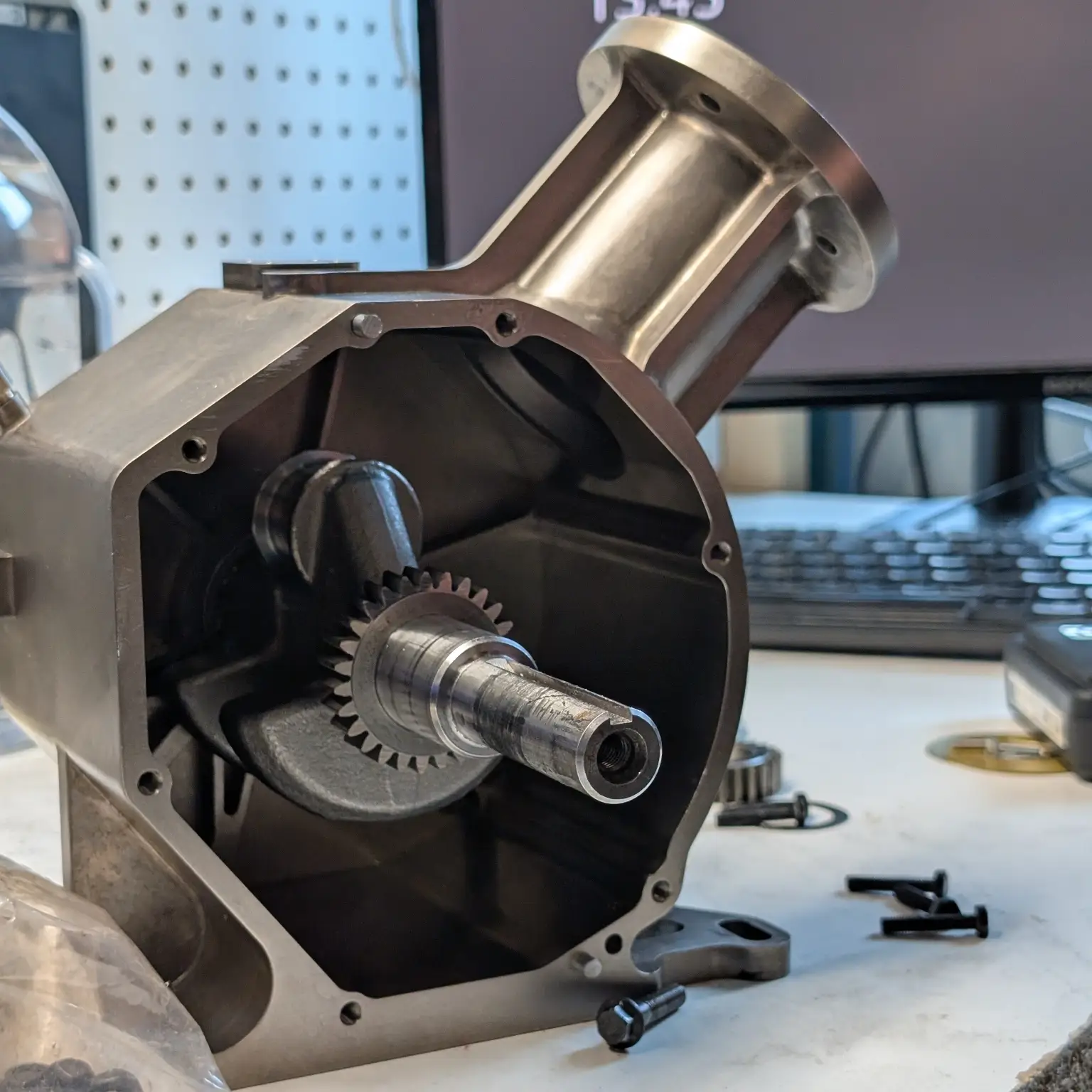
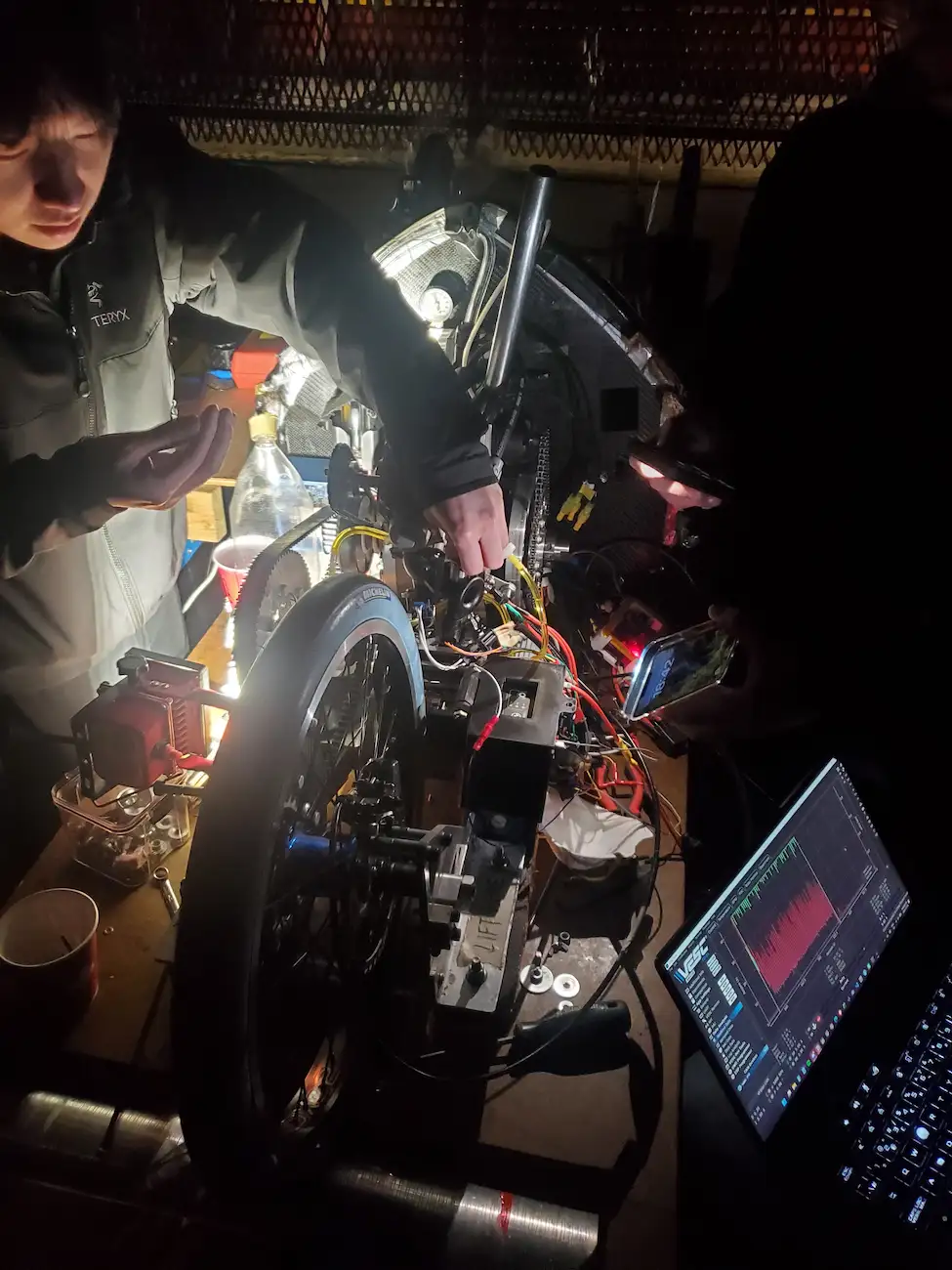
Since the conception of UBC Supermileage in 2001, the Gas Engine division has been constantly pushing the boundaries in ultra fuel-efficient combustion engine technology, holding a team record of 3145 mpg!
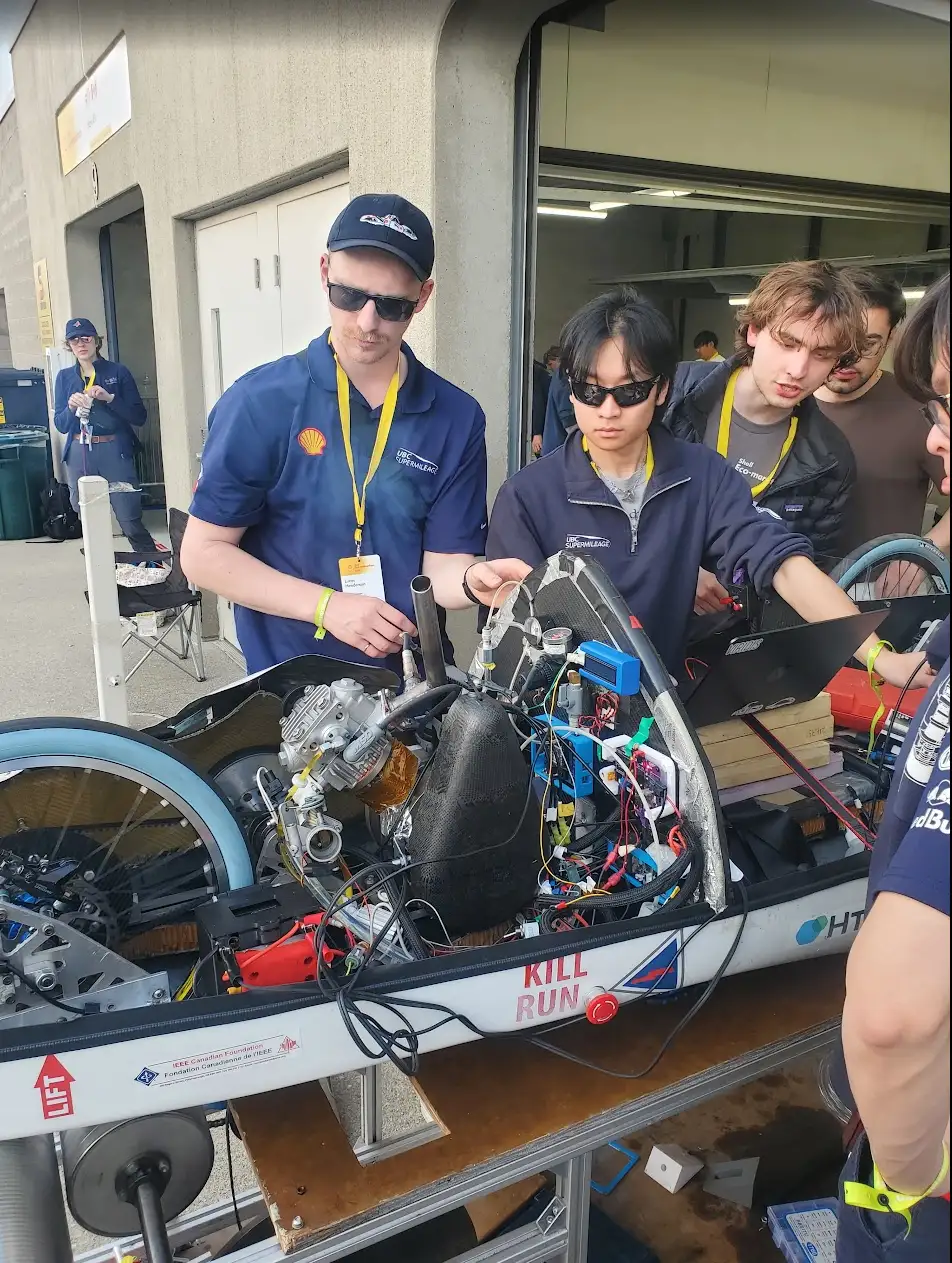
The division develops our gas engine from the ground up, including a custom designed & fabricated engine block, heavily modified valvetrain, and a custom electronic control systems.
We conduct validation testing and tune the engine for fuel-efficiency on our in-house developed dynamometer bench. All in all, the engine division offers exposure to a great deal of mechanical design, systems engineering, and testing, often using tools such as Solidworks, ANSYS Mechanical, and MATLAB to build the most efficient engine humanly possible.
FUEL CELL
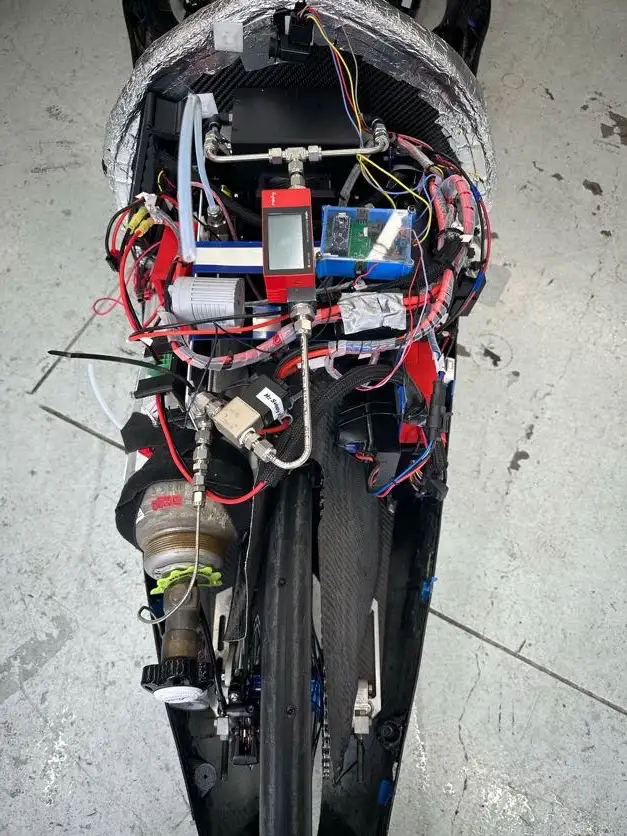
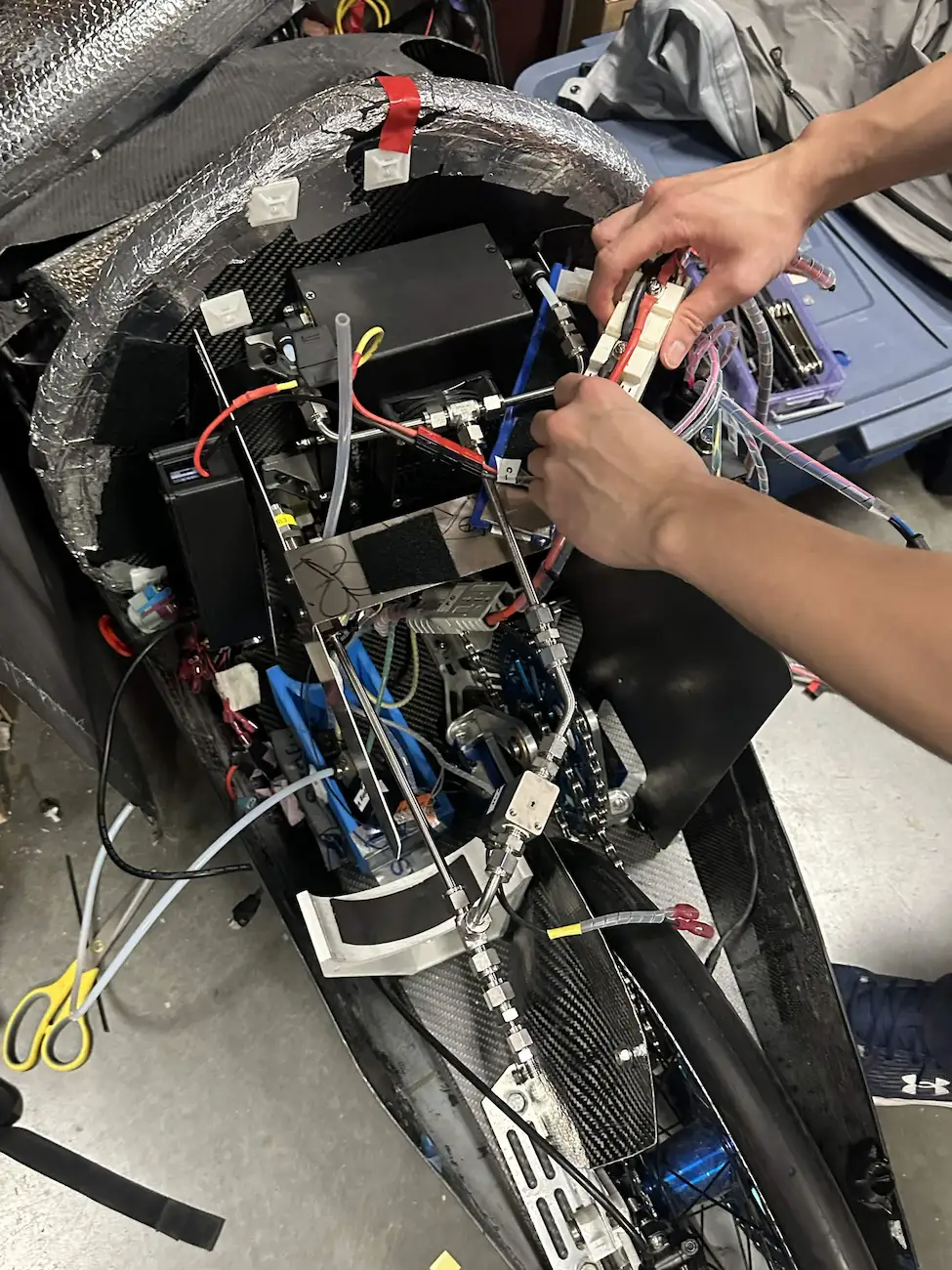
The Fuel Cell Division designs, builds, and optimizes the hydrogen powertrain that powers our Fuel Cell Prototype vehicle.
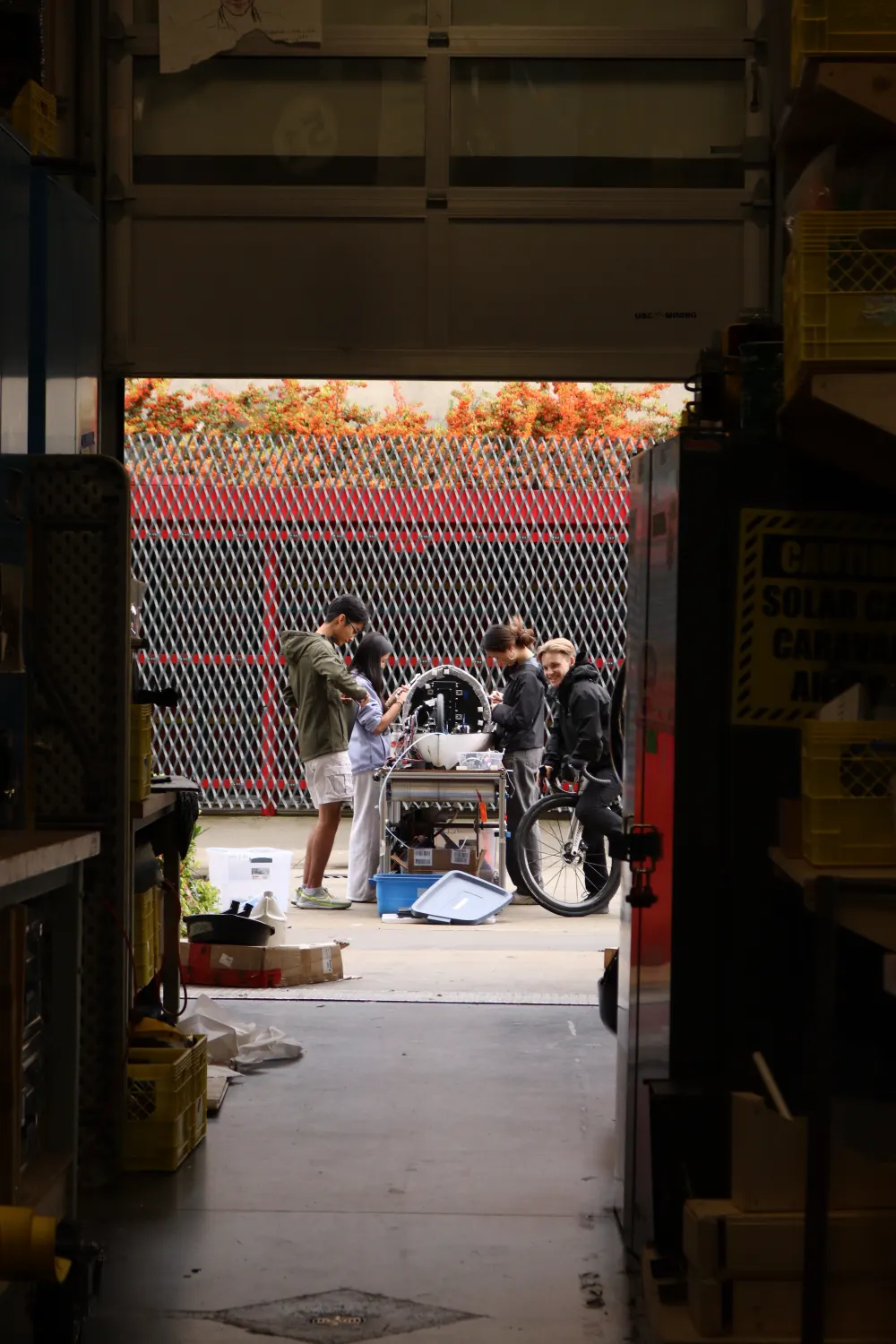
We work across mechanical, electrical, and electrochemical systems, integrating hydrogen storage, pressure regulation, fluid delivery, controls, and the fuel cell stack itself. Through hands-on testing, we characterize system performance and troubleshoot challenges in hydrogen flow, thermal management, and power output. Alongside integrating our off-the-shelf fuel cell system, our team is developing a fully custom fuel cell stack designed and manufactured by UBC Supermileage.
Our goal is to build an increasingly efficient, reliable, and lightweight powertrain capable of competing at the Shell Eco-marathon Americas.
MECHANICAL
TESTING
Every division is constantly pushing themselves to improve on their last iterations, and to do that they need tangible data. That is where we come in. Mechanical Testing works with other divisions to develop methods to analyze and monitor the performance of the various mechanical aspects of our vehicles. Using this data, more informed design trade offs and decisions can be made. Every one of our project is, at their essence, a study into the performance of our vehicle. Complete with hypotheses, results and analysis.
Our division works with every aspect of the car in some capacity. This naturally means the technical knowledge needed is constantly changing between projects. To obtain meaningful information, we need to leverage a deep understanding of both the mechanics of the problem and the instrumentation we are using to measure that. What results is a design process that benefits from equal parts creativity, research and scientific understanding.
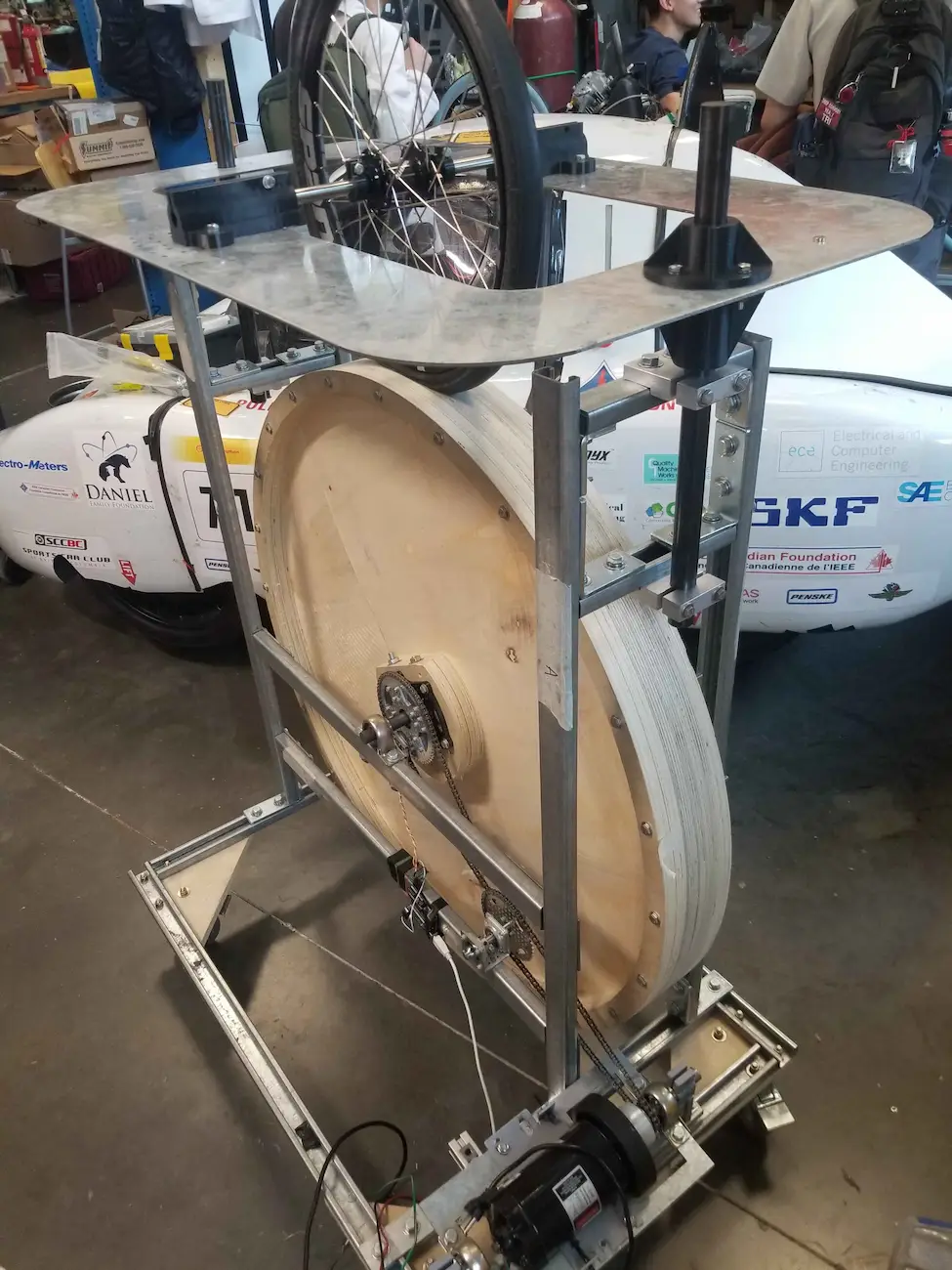
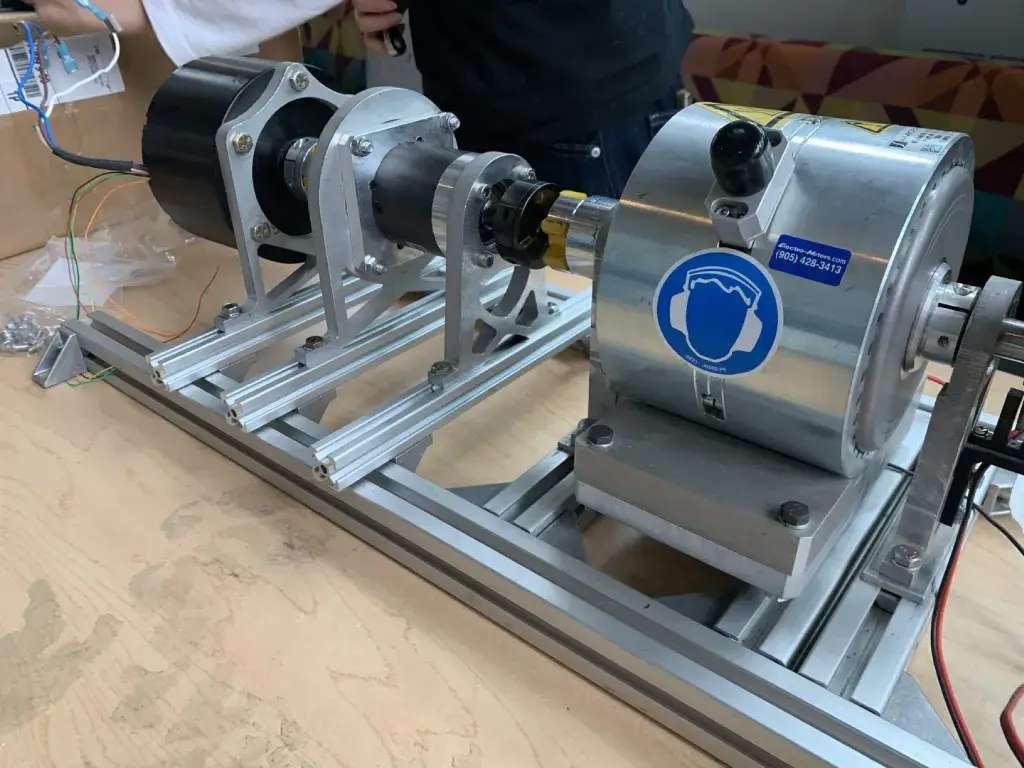
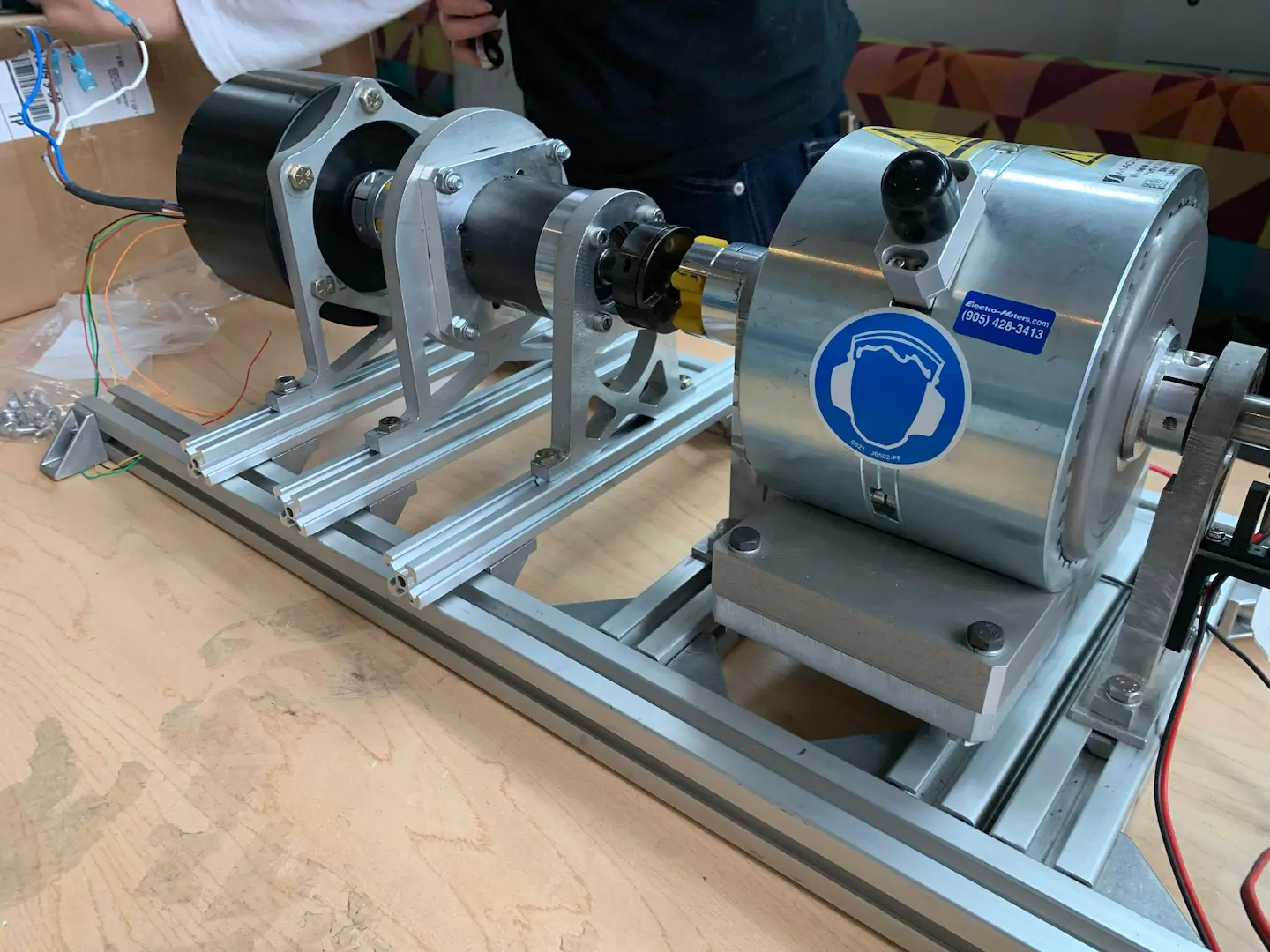
Some examples of the projects we do are; building dynamometers to test our powertrains on, standalone systems to quantify rolling resistance of different tires, torque and strain measurement across the vehicle, precision measurement of misalignment in our drivetrains.
POWER SYSTEMS
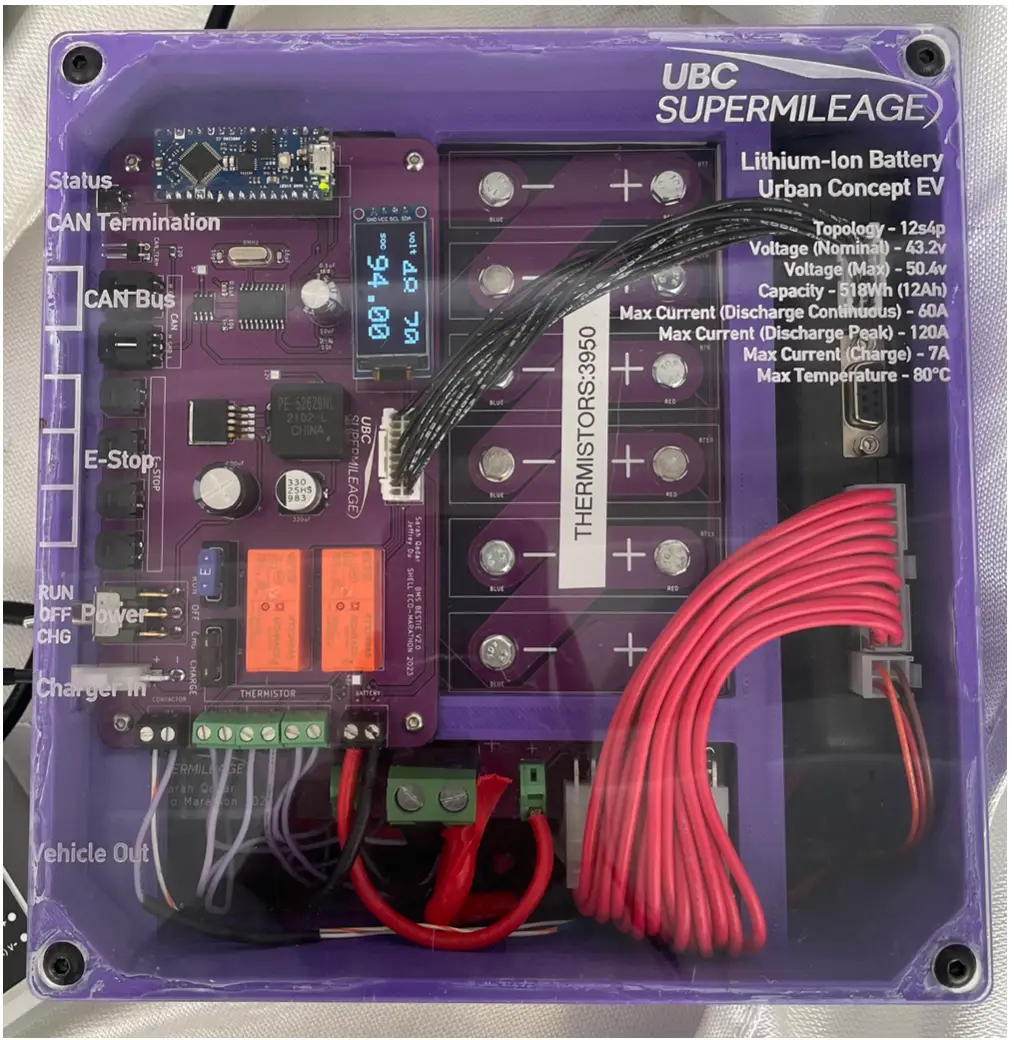
The Power Systems Division is responsible for the design and validation of the electrical systems that power and drive our vehicles.
Our projects focus on energy storage and power delivery to key components like motors and supercapacitors. These systems are the electrical “heart” of each of our vehicles and tend to carry the biggest impact on electrical efficiency.
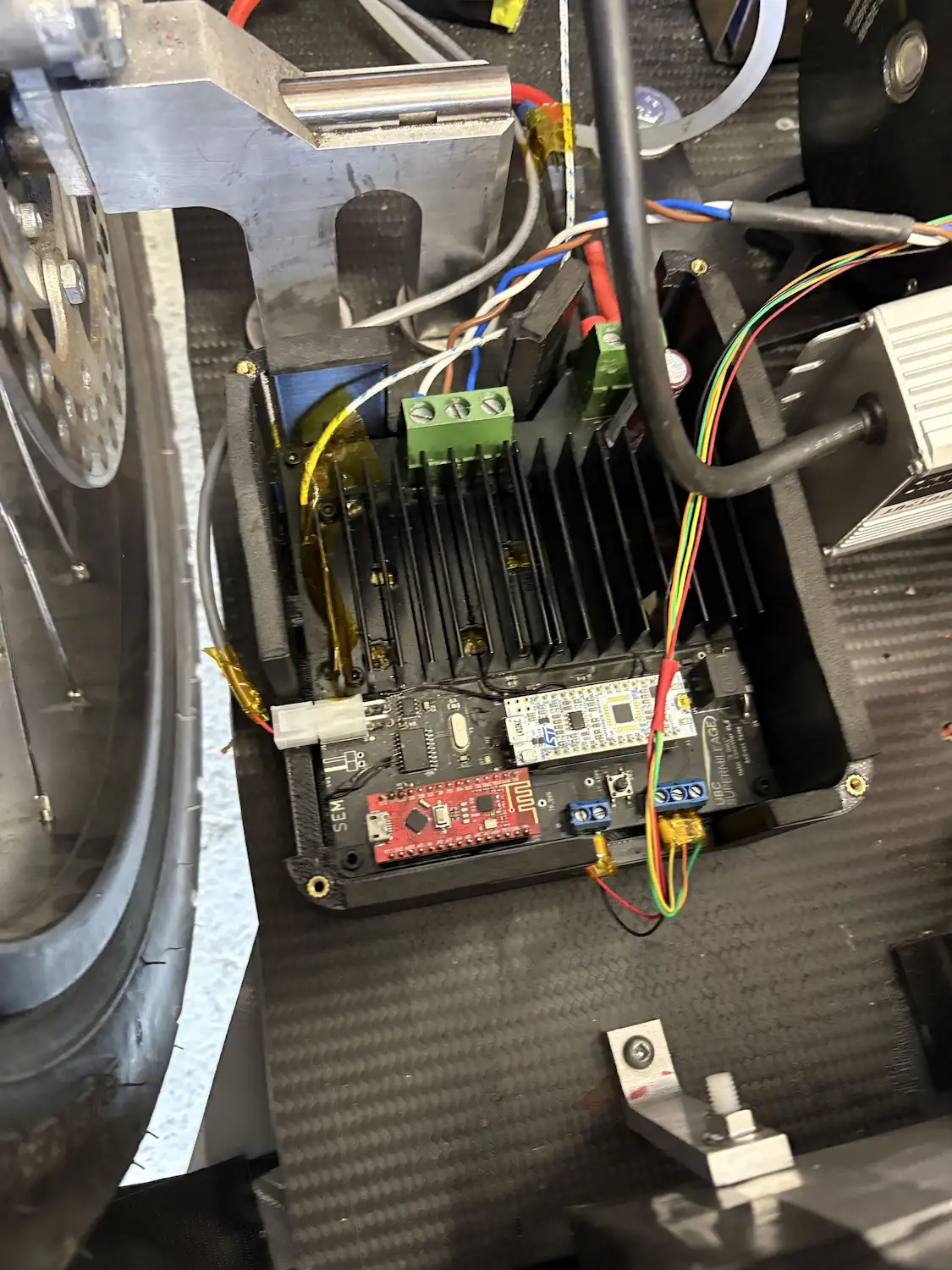
This year's projects include new iterations of our custom lithium-ion battery pack, battery management system, brushless motor controller, and a new DC-DC converter. The division’s work involves PCB/circuit design, component selection, hardware validation, and technical research to support key engineering decisions.
Great power systems members have a passion for electronics, strong critical thinking skills, and an eagerness to learn by building, testing, and debugging real hardware.
STRUCTURES
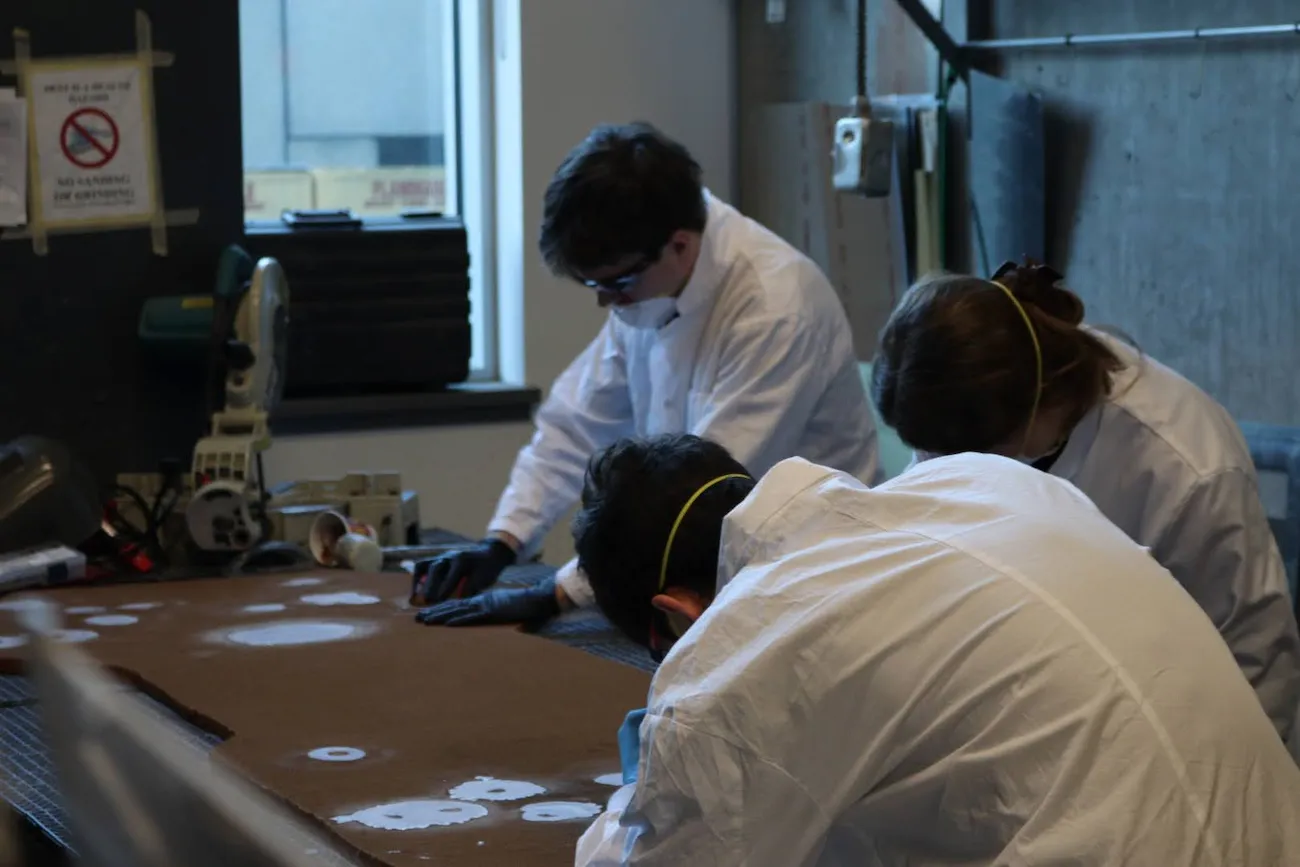
The Structures Division designs and manufactures the chassis and other structural components that are critical to driver safety across all three Supermileage vehicles.
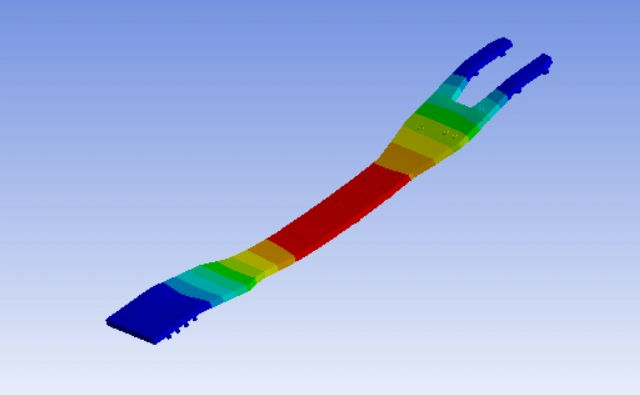
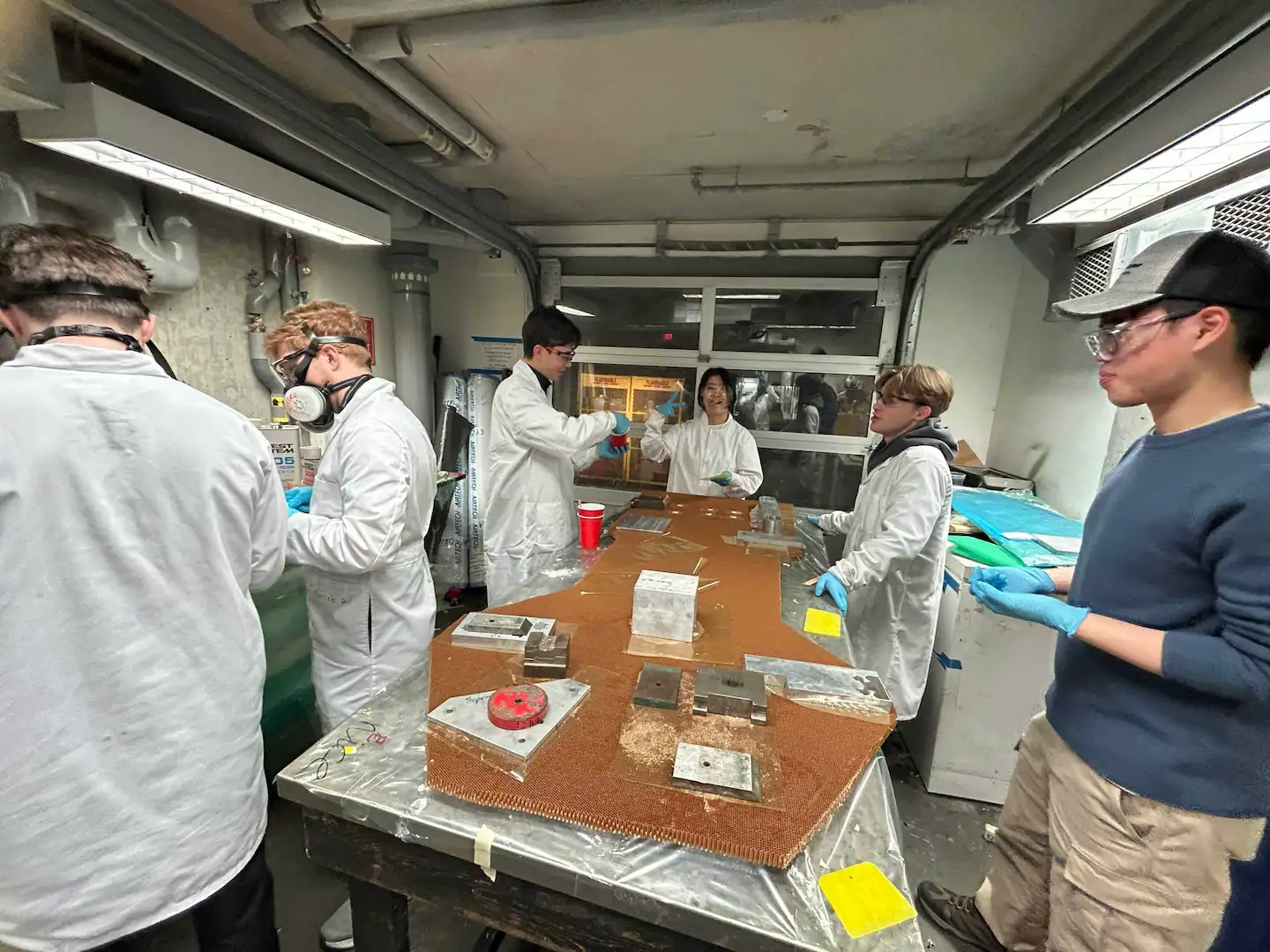
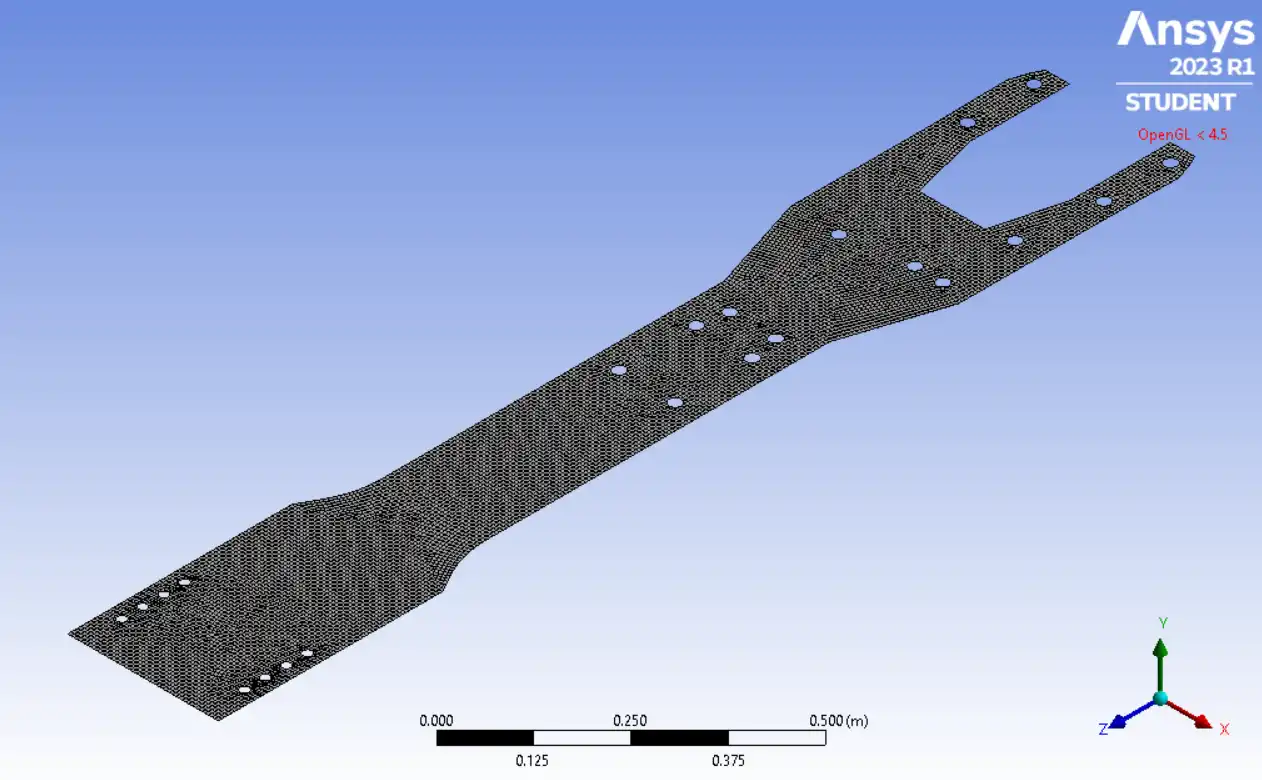
Designs are validated using finite element analysis (FEA) in ANSYS to simulate structural deformation under loading conditions. The team also experiments with composite structures and manufacturing techniques to improve vehicle structure while minimizing weight.
Structure members gain hands-on experience in composite manufacturing, FEA, and CAD design.
VEHICLE
DYNAMICS
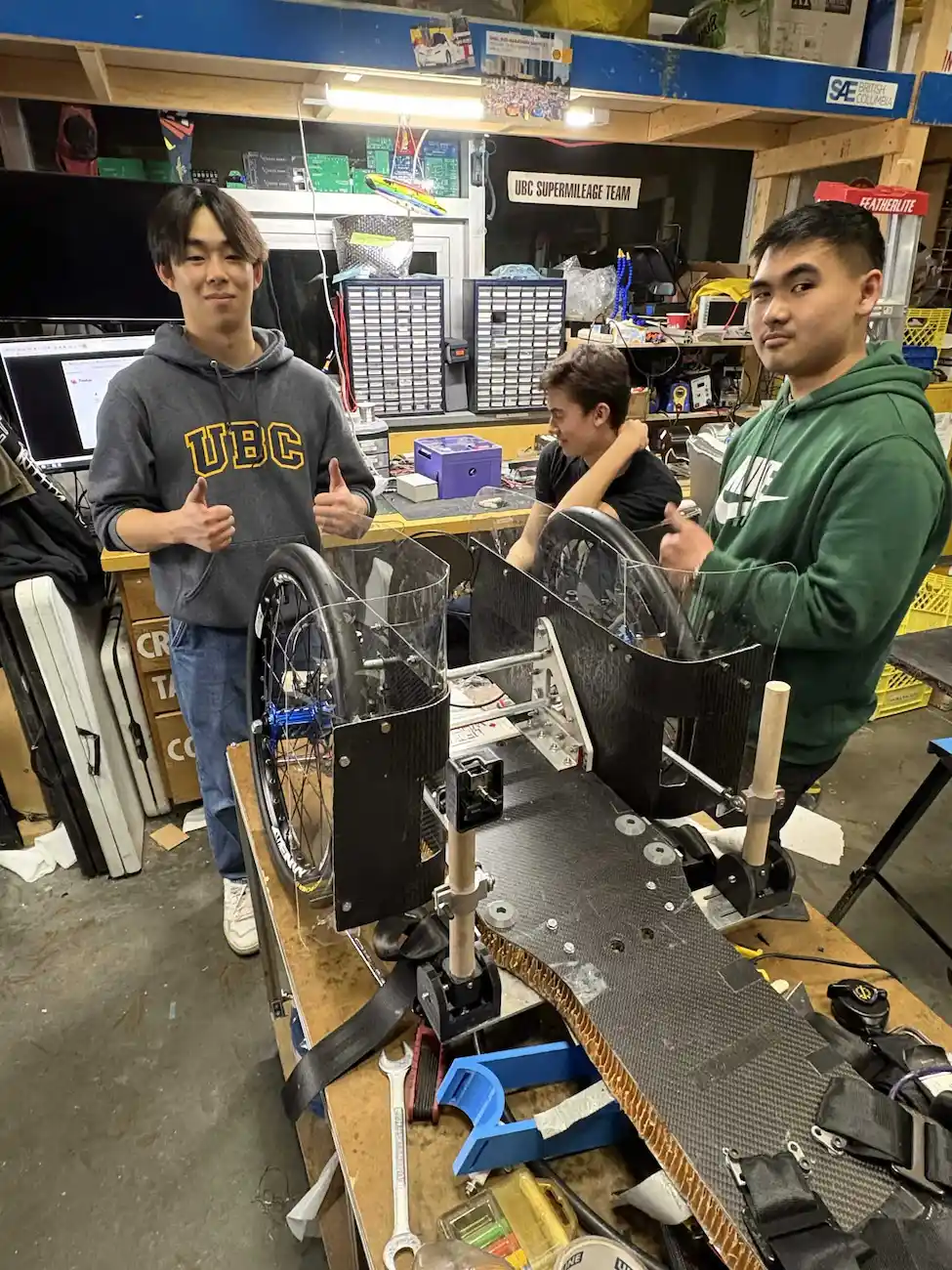
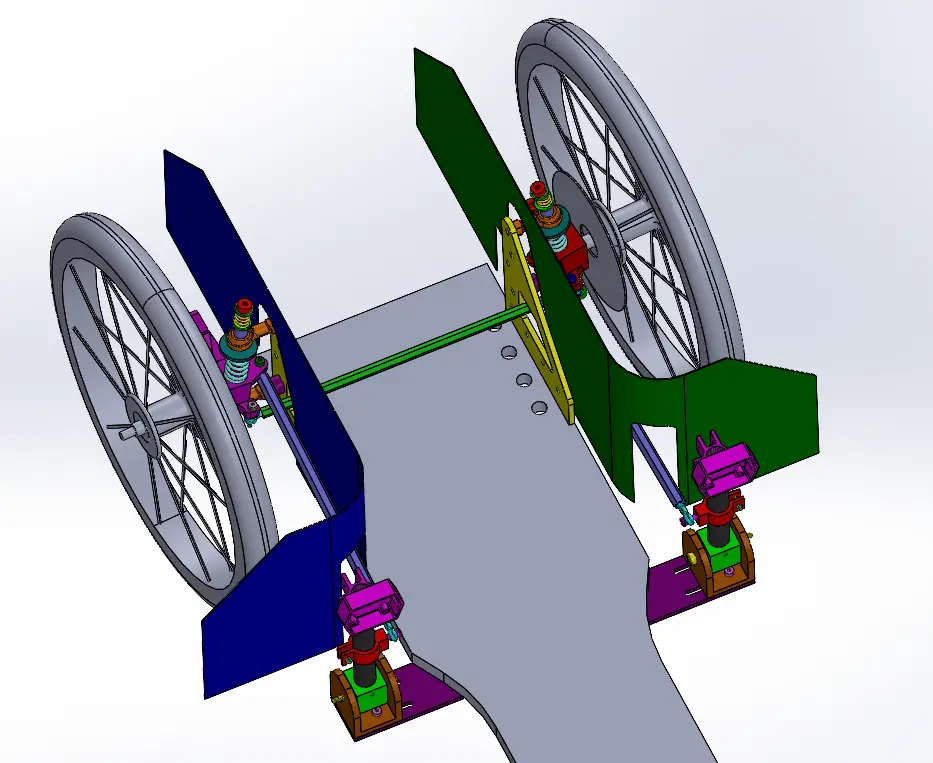
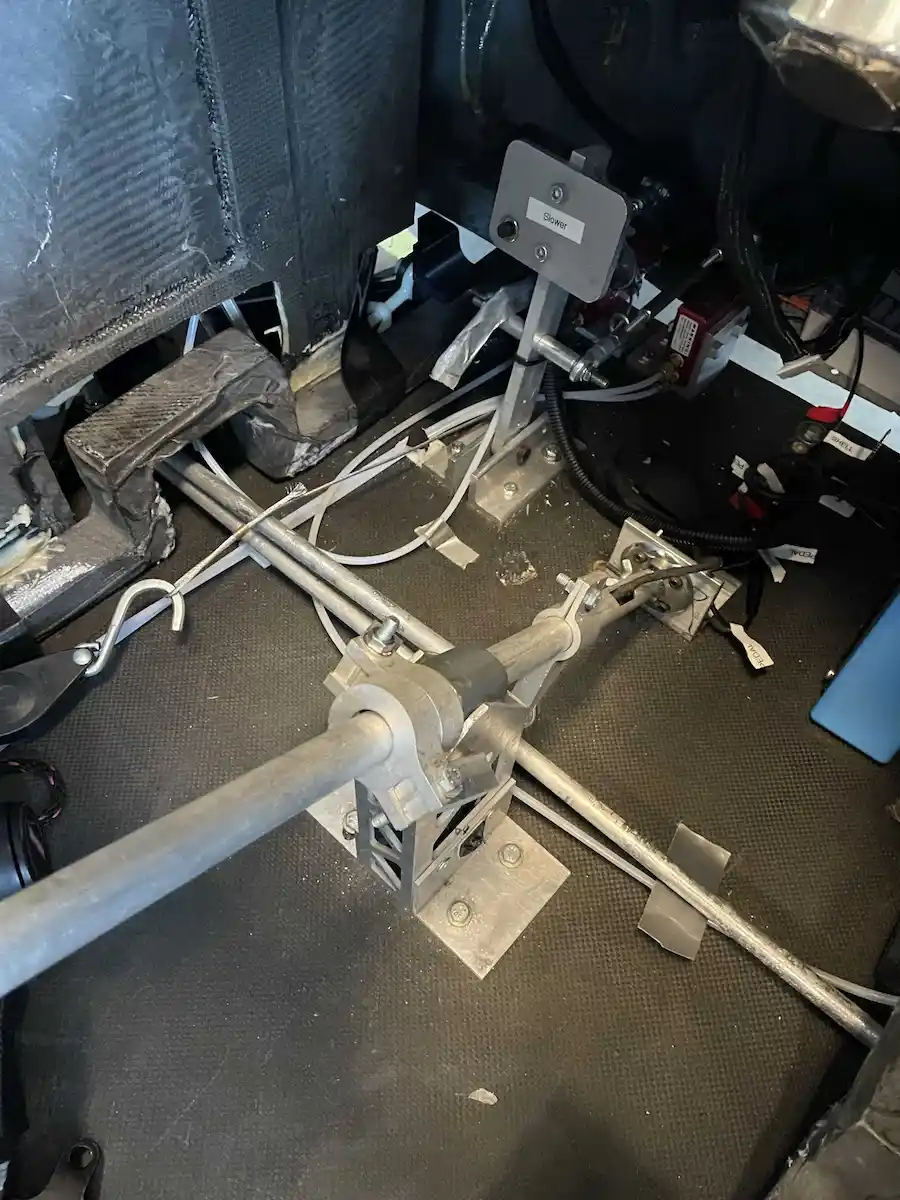
Vehicle Dynamics designs and builds the steering and braking systems for our vehicles. Each year brings a new challenge that pushes us to cut cornering losses, reduce rolling resistance and weight, and build more reliable systems. We dig deep into steering geometries, tyre dynamics and racing strategy to squeeze every bit of efficiency out of our vehicles. The division offers a rich blend of research, design, prototyping and CAD alongside hands-on manufacturing and assembly.
VEHICLE
ELECTRONICS
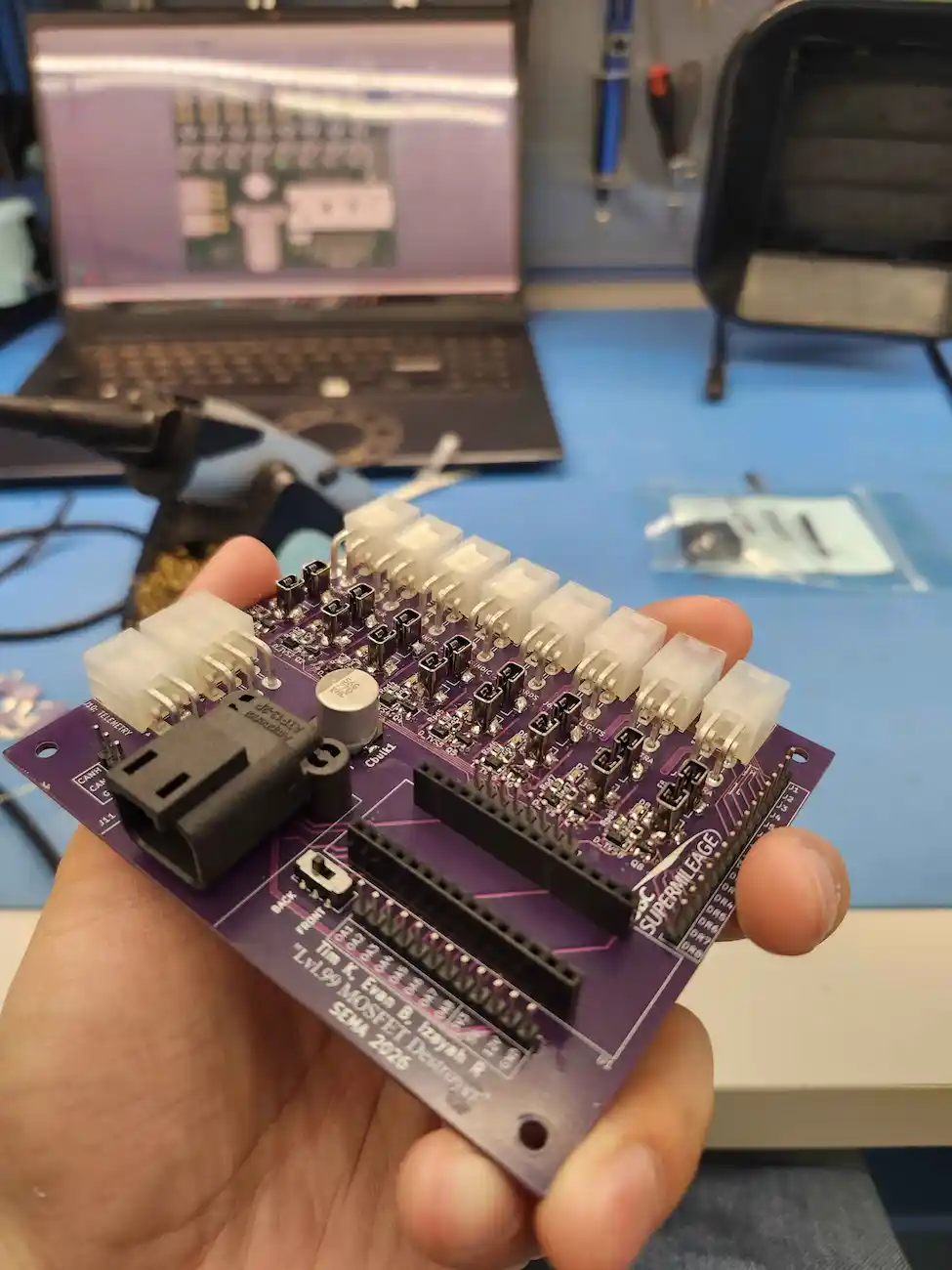
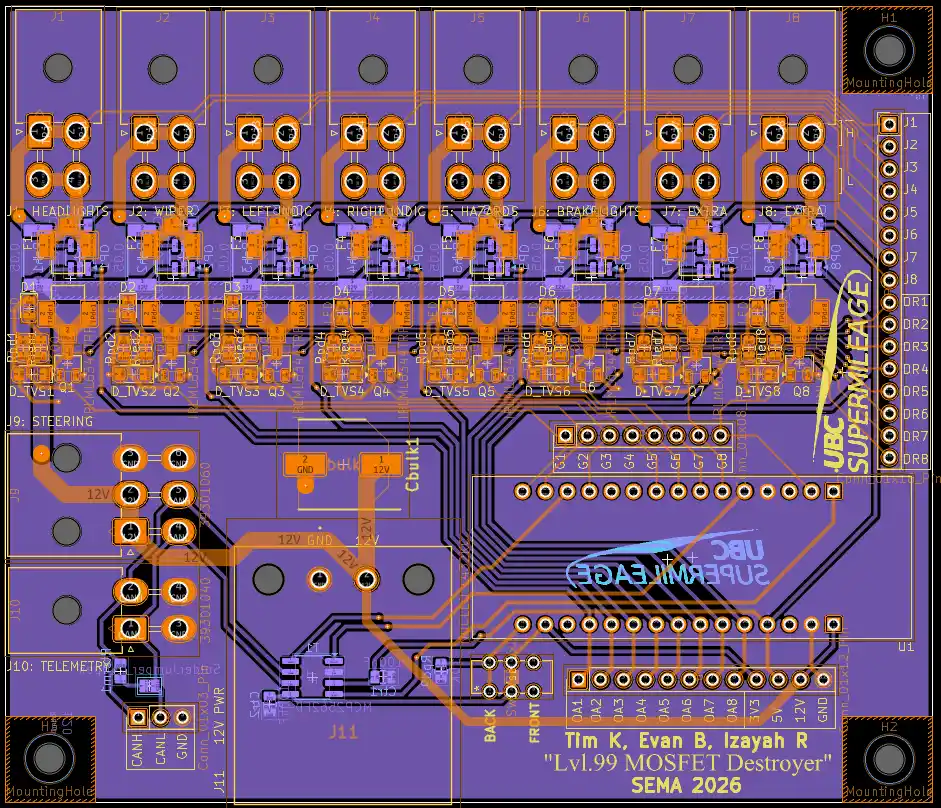
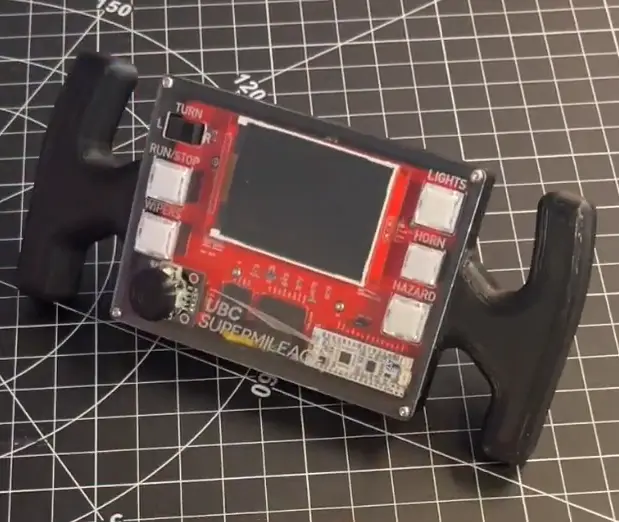
Vehicle Electronics is responsible for the low power systems of our vehicles: control, signals, and low power distribution. We design and test PCBs for these three systems, along with developing the complex wiring harnesses needed to support them. Our work spans the entire electrical design lifecycle: from SPICE simulation validation, to assembly and installation, and finally to field testing and integration with the vehicles' high power systems. Among other projects, our division is currently designing a throttle control PCB for our hydrogen fuel cell vehicle, a centralized power and signal distribution network for our gas prototype vehicle, and CAN distribution network for our electric vehicle.
INTEGRATION
Integration looks at each of our cars as a whole. We perform simulations to see where most of our efficiency losses are, and then map out long term technical roadmaps for improving each vehicle. We also make sure projects are properly incorporated into the existing vehicles and other projects, by setting design constraints, participating in design reviews, and coordinating collaboration between divisions. To facilitate our high-level design and cross divisional integration, we manage the team’s full vehicle CAD assemblies through SolidWorks PDM.
The integration team is a new team this year, but our members have previously worked on a broad range of Supermileage projects.
EMBEDDED / SOFTWARE
The Embedded / Software Division develops the firmware and software that monitor, control, and connect the electronic systems across our vehicles. Our work spans embedded control, real-time data acquisition, vehicle communications, telemetry, and testing tools.
This year, our projects include developing a new vehicle telemetry system, migrating and improving our steering wheel firmware, implementing field-oriented control on our custom Urban motor controller, and continuing development of our in-house dynamometer software. Members gain hands-on experience with microcontrollers, CAN communication, real-time operating systems, control algorithms, data processing, and debugging software on real vehicle hardware.
Our goal is to make the software on our cars reliable, useful during testing, and easy for future members to build on.